
GLP-1 Medications & Anesthesia: We explore how these popular drugs can impact your anesthesia care
/Over the past few years, health care has been shaken up by a class of drugs officially known as GLP-1 receptor agonists (GLP-1RAs) and better known as semaglutides or GLP-1 medication, or by one of the many brand names such as Ozempic and Wegovy. Originally intended to manage blood sugar in patients with type 2 diabetes, GLP-1 medications, and the closely related dual GLP-1/GIP receptor agonists (found under the brand names Mounjaro/Zepbound), are now used for several other medical conditions, most notably obesity/weight management.
While patients must always tell their anesthesiologists about all the medications they are on, being upfront about GLP-1 usage is especially important.
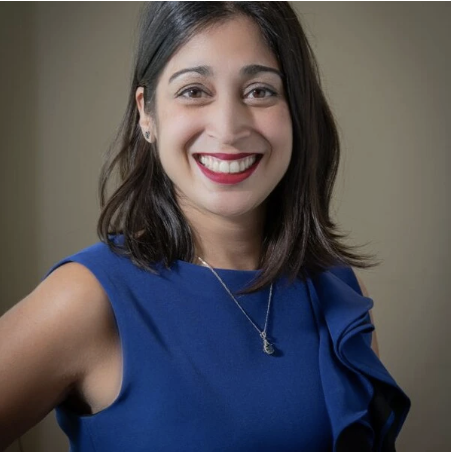
Dr. Sharon Peacock
"GLP-1 medications slow gastric emptying. This means food stays in the stomach longer, which could increase the odds of a patient aspirating,” says Dr. Sharon Peacock, an anesthesiologist at Toronto’s Mount Sinai Hospital, who has provided anesthesia care to thousands of patients on GLP-1 receptors.
Aspiration is when stomach contents enter your lungs and can result in lung damage, pneumonia, or other dangerous conditions. In some rare cases, it can even lead to death. As we explain in this article, anesthesia increases this risk. Anesthesiologists try to manage this risk by having patients restrict their intake of food and liquids per NPO (short for “nil per os” or "nothing by mouth") guidelines.
Over the past decade, as GLP-1 medications grew in popularity, so did concerns about patients on these drugs showing up for surgery with full stomachs—even after following standard NPO guidelines. For a period of time, anyone on a GLP-1 medication was told to stop taking it for weeks before general anesthesia.
But over the past few years, new research has revealed that stopping GLP-1 medications ahead of sedation isn't as simple as one size fits all. Why a patient is taking these medications, the specific drug and its dosage, and when the patient started the medication all play a role in deciding how a patient on these medications needs to prepare for their procedure.
When it comes to deep sedation or general anesthesia, “Patients taking these medications for weight loss should likely hold these medications for five weeks to ensure no ongoing effect of the drug that can affect stomach emptying, which is a real concern when a patient has an anesthetic,” explains Dr. Peacock.
However, patients who are taking these medications for diabetes and undergoing elective procedures with deep sedation or general anesthesia are usually advised to continue their medication as prescribed. “Additionally, they usually need to follow a clear-fluid diet for 24 hours before their procedure, followed by the usual NPO guidelines," says Dr. Peacock.
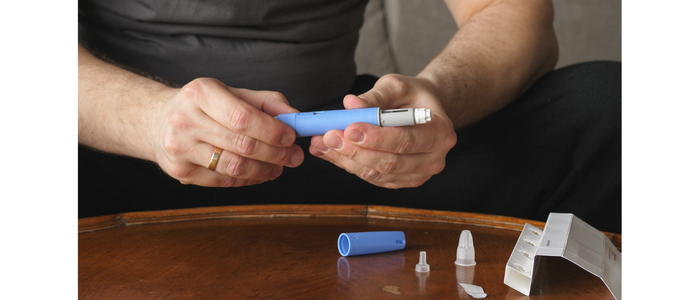
She explains that while this approach doesn't guarantee an empty stomach, it does reduce the risk. Dr. Peacock adds that, "Anesthesiologists are also increasingly using point-of-care gastric ultrasound, which allows them to assess stomach contents in real time before proceeding with anesthesia."
Patients who take GLP-1 medications and are undergoing mild or moderate sedation, for example, for an endoscopy or eye surgery, can generally continue to take their medication as usual. Dr. Peacock explains that lighter levels of sedation allow protective airway reflexes to better do their jobs, "When those reflexes are intact, the risk of aspiration is very low, although anesthesiologists always will prioritize patient safety."
That said, for elective procedures, some anesthesia providers may take a more cautious approach and require a longer fasting period or other dietary precautions. Additionally, Dr. Peacock notes that if a patient is using GLP-1 medications for weight loss or off-label use, “It is always advisable to hold these medications for up to five weeks,” though she acknowledges this is not always feasible.
Exact directions, including any specific dietary instructions, will be provided by a patient’s health-care team. For eye surgery, this typically involves no changes, but endoscopic procedures usually require a 24-hour clear fluid diet with or without bowel preparation.
No matter what type of sedation a patient is receiving, it is critical that the provided directions are followed. "If patients have not followed the recommended instructions, such as the clear-fluid diet or medication guidance, the procedure may need to be postponed or cancelled. A 24-hour clear fluid diet also does not guarantee an empty stomach, and changes to the anesthetic plan might occur at the time of the procedure, depending on the depth of anesthesia needed and the risk of aspiration based on patient and surgical factors," says Dr. Peacock.
What about “natural” GLP-1 substances?
"Natural supplements add another layer of complexity because they are not regulated as rigorously as prescription medications. As a result, it can be difficult to know exactly what ingredients they contain or how consistent the formulation is from product to product," says Dr. Peacock.
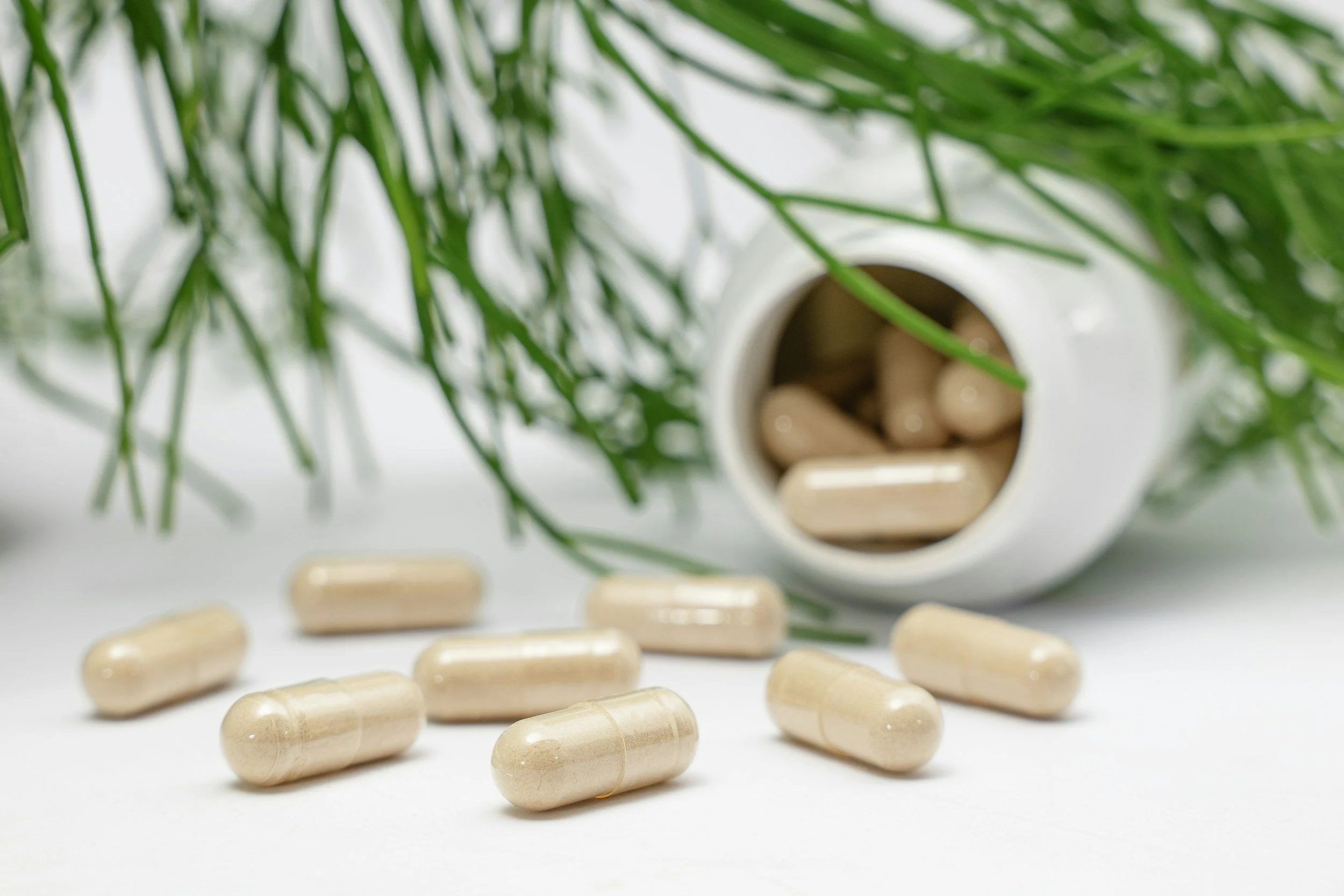
She explains that ideally, patients stop taking these substances at least three to five weeks before surgery, or as soon as possible, if the procedure is less than three weeks away.
At a minimum, patients on natural GLP-1 substances should follow the previously mentioned 24-hour clear-fluid diet. They may also be given a gastric ultrasound immediately before their procedure to assess whether the stomach appears empty,
These patients should also be prepared for a change in their anesthetic plan, including the depth of their sedation for any elective procedure. After all, reminds Dr. Peacock, “The primary goal of the anesthesiologist is to ensure the patient’s safety during their procedure.”